
Avoiding extreme temperatures, spicy foods, and harsh skincare products further prevents flare-ups. For smokers, quitting is essential, as nicotine constricts blood vessels, worsening redness. Hydration is key—aim for 8–10 glasses of water daily to maintain skin elasticity. Please read on to learn all you need about alcoholic nose and the connection between alcohol addiction and skin conditions.
Will I Lose My Job if I Go to Rehab?
The issue is that rhinophyma has absolutely nothing to do with alcoholism. Rosacea is a separate disease and disorder from alcoholism and has no connecting cause. Someone with alcoholism does not necessarily need to have rosacea to be an alcoholic. Dermatologists recommend anti-acne treatments like topical creams to moisturize dry skin resulting from rosacea.
Rehab Resources
- However, additional diagnostic tests may be utilized when a definitive diagnosis is challenging.
- Recovery time is generally brief, with most people returning to normal activities within a few days.
- Managing Rosacea symptoms while still enjoying social occasions often comes down to making thoughtful decisions before, during, and after consuming alcohol.
- These groups offer an environment where individuals can share their experiences, find encouragement, and learn from others who have faced similar challenges.
More severe cases should be referred to a specialist, who may consider using topical ivermectin and brimonidine, or oral isotretinoin. It is essential to fully understand the patient’s concerns and consider the emotional impact of the condition on the patient. Attention must be given towards systemic treatment of rosacea and avoiding trigger factors to achieve symptoms control. It is the end-stage presentation of phymatous rosacea, and may occur in patients red nose alcohol with few or no other features of rosacea. Alcoholic nose is not a medically recognised condition, but there are risk factors for both rhinophyma and rosacea that it can be helpful to be aware of. When most people think of alcoholic nose, they are likely thinking of rhinophyma.
Change Your Life Today!
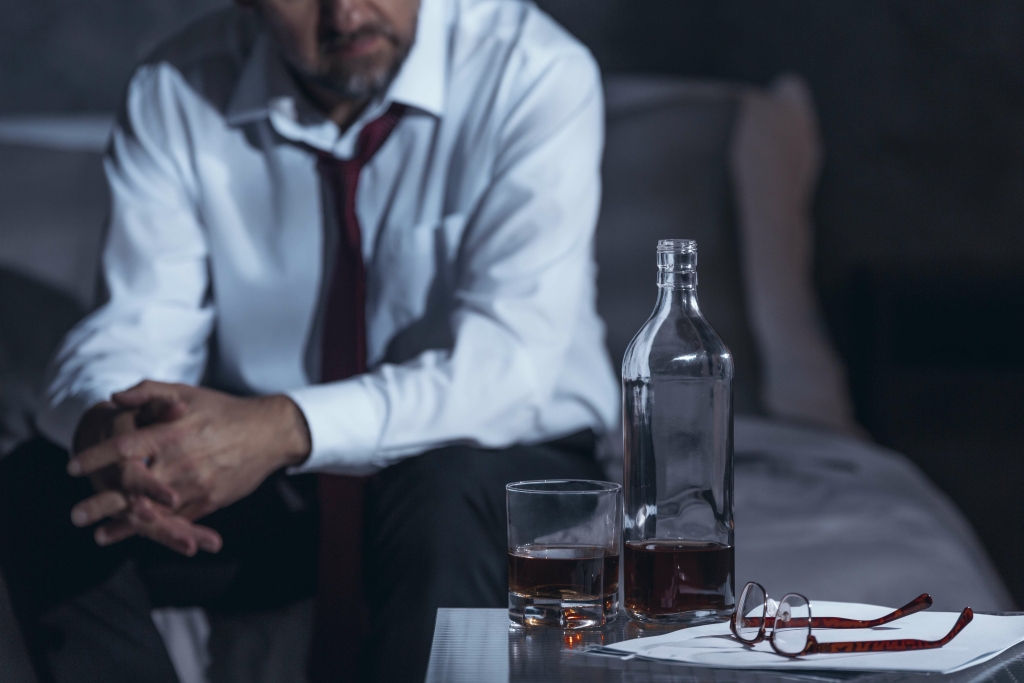
You deserve the opportunity to live a life free from addiction and the bondage it can create. Furthermore, you deserve the time and commitment you will invest in your future self. However, it is very important to note that rosacea and rhinophyma can be agitated by things other than alcohol. Stress, sleeplessness, dehydration, depression, improper diet, dry skin, and many other factors can agitate rosacea and rhinophyma.
Diagnosis and Recognition of Alcoholism

Rhinophyma can affect anyone but is more common in Caucasian males between the ages of 50 and 70. These might also be the type of people you are seeing with purple or red noses who are drinking in a bar. Even a single alcoholic drink can cause Alcoholics Anonymous flare-ups for many people with this condition. A survey by the National Rosacea Society found that red wine was the most common culprit, followed by white wine and beer. Alcohol affects your face and skin in general by enlarging both pores and blood vessels.
- However, if somebody has rhinophyma or rosacea and drinks heavily, their symptoms will be agitated.
- This skin condition tends to run in families and affects certain ethnic groups more frequently than others.
- In surgery, the nose can be reshaped and certain layers of excess skin can be removed that obstruct airways.
- Alcohol acts as a potent vasodilator and can exacerbate rosacea symptoms, leading to increased facial redness and flushing.
- The phrase alcoholic nose is another example of the stigma and misinformation surrounding alcohol use disorder.
These symptoms are indicative of the condition and can be visually observed without the need for laboratory tests. A red nose that persists long after drinking may indicate a condition like rosacea or alcohol-related skin damage. Individuals with an alcoholic nose become prone to such negative and unjust social opinions, leading them to shut everyone out. As a result, they start trying to avoid social events and soon become prey to mental health issues. When they feel judgment being passed on their appearance, character, and drinking habits, they can easily develop emotional and mental issues such as anxiety and depression.
It’s a long-held belief that alcohol abuse causes this skin disease, like the red nose skin condition called rhinophyma. The phrase alcoholic nose is another example of the stigma and misinformation surrounding alcohol use disorder. Many speculations have been made that alcohol could result in a large red nose for some people, specifically that such a trait indicates an addiction.
Comprehensive Care for Every Stage of Recovery
The widening of these vessels causes an increased flow of blood near the skin’s surface, presenting visually as redness or flushing. While temporary flushing fades as the body processes the compound, repeated heavy exposure can eventually contribute to chronic skin changes. While surgery can be an effective form of treatment, the longer excess tissues have been left unmanaged, the more permanent they will become. If you are experiencing rhinophyma symptoms, you will need to seek out professional medical advice on how you should proceed with treating this condition. This is why it is important to seek advice from your healthcare providers on how to manage this condition as soon as you notice your symptoms.
Successful rosacea management begins with identifying individual trigger factors and developing strategies to avoid or minimize exposure. Newer topical treatments include brimonidine gel, which can temporarily reduce redness by constricting blood vessels, and oxymetazoline cream, which has similar effects. These medications provide symptomatic relief but must be used regularly to maintain benefits. Acetaldehyde triggers the release of histamine, which signals the blood vessels in the face and neck to expand (vasodilation).
Understanding Alcohol Nose
As the condition advances, it can result in a disfiguring nasal deformity, impacting both physical appearance and potentially leading to emotional distress. It is crucial to note that these symptoms are indicative of untreated, severe rosacea. Rhinophyma is not caused by alcohol consumption, as was previously believed. Recognizing the onset of rhinophyma involves noting symptoms such as persistent facial flushing or redness, especially around the cheeks and nose. This redness may be accompanied by a noticeable enlargement of the nasal tip and an increase in the size of pores on the facial skin.